Home layout tours are one thing we love to do whenever the opportunity presents itself. Admittedly, this is a rather rough video filmed in a vlog style which I’m not a big fan of. However, over fourteen minutes I take the camera around my model railroad replicating small sections of the Black Hills and Fort Pierre that used to run in western South Dakota from 1880 to 1930. This layout runs HOn3 trains to represent the little 3-foot gauge “hogs” that climbed the steep hills and navigated the sharp curves of a railroad built by the Homestake Gold Mine out of Lead. If videos aren’t your thing, please see the photos below!
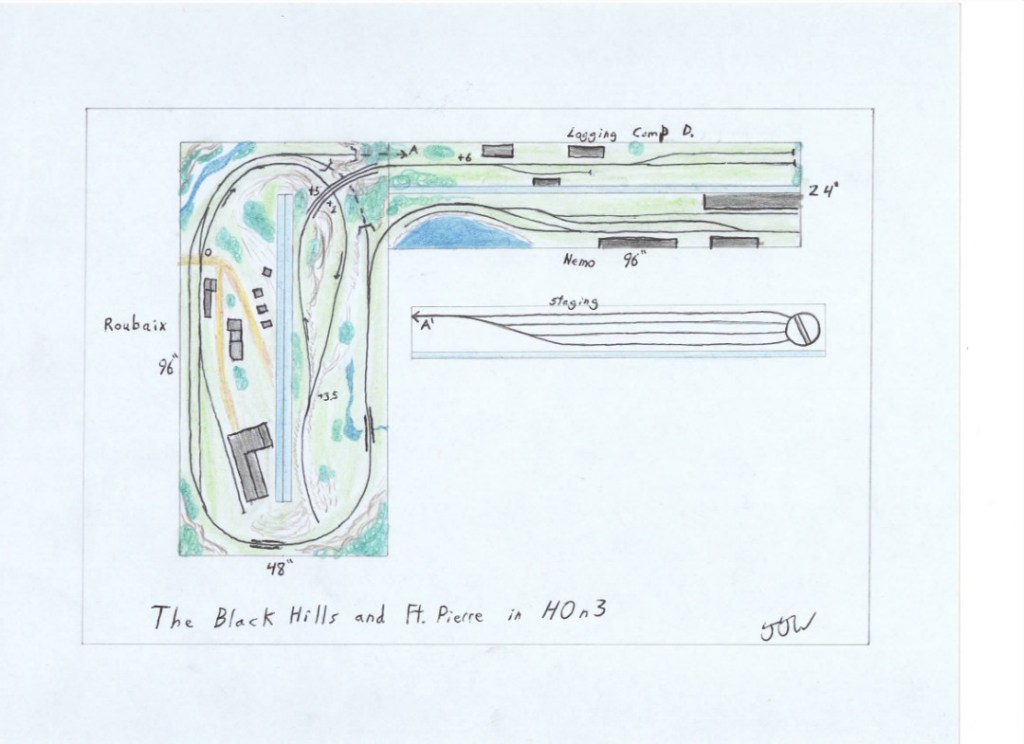
First, every layout tour should start with a trackplan! This is a little outdated but is still about 95% accurate. The layout is built in three 2×8 foot sections which bolt together. Double-sided backdrops separate the layout into four distinct scenes plus a staging yard. Those scenes are a log landing, a meadow with a switchback running up the mountain side, the town of Roubaix, and the town of Nemo.
After studying the track plan for a while, the remainder of this article consists of explaining the different scenes around the layout along with photos showing the progress on the railroad up to the date of this writing.
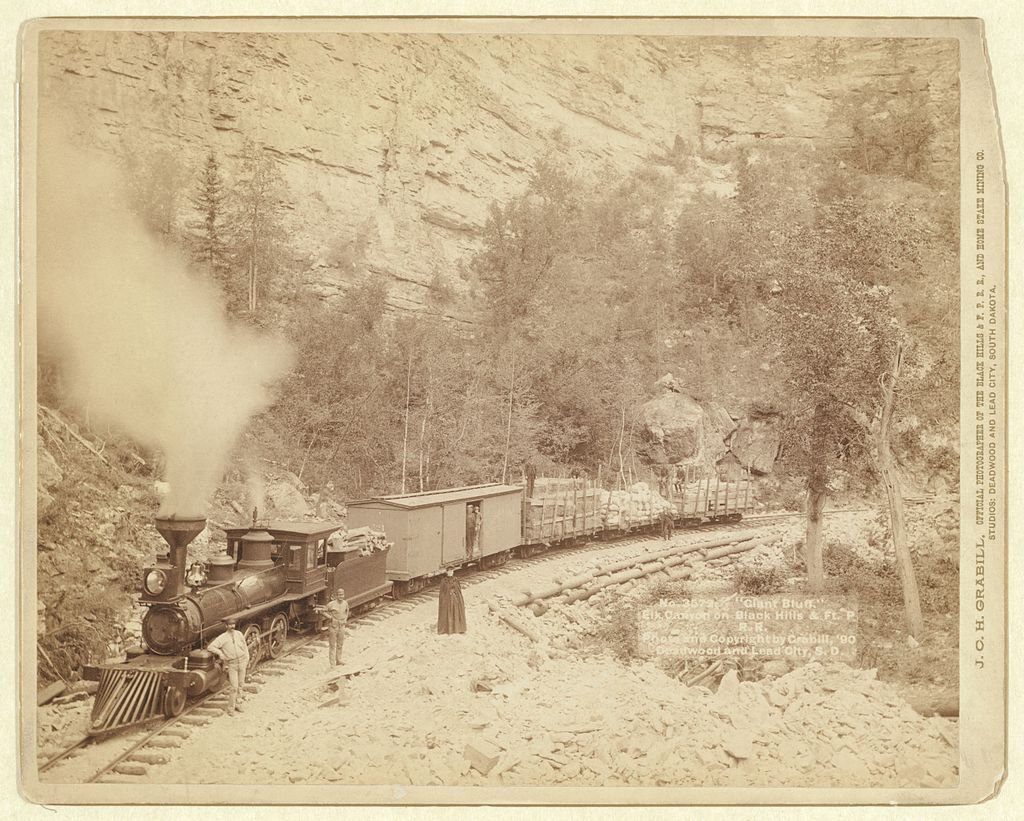
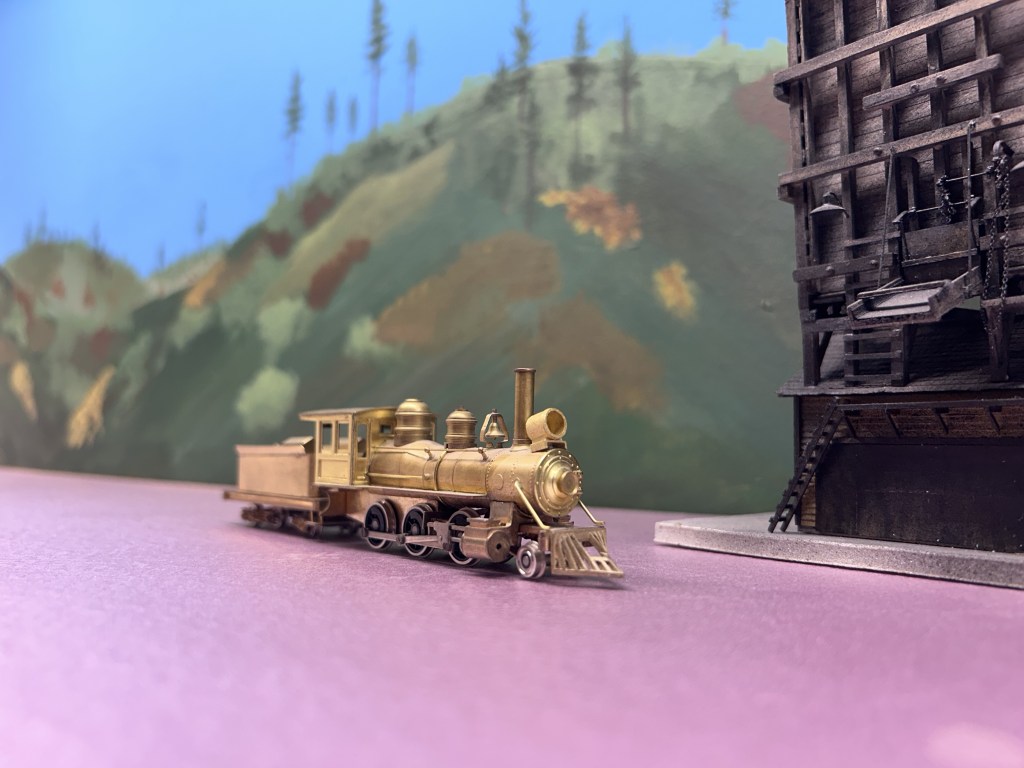
The key motive power for this layout will be a trio little Spartan Series brass HOn3 locomotives. At the moment they don’t run particularly well but after extensive work they should prove to be very reliable, smooth engines.
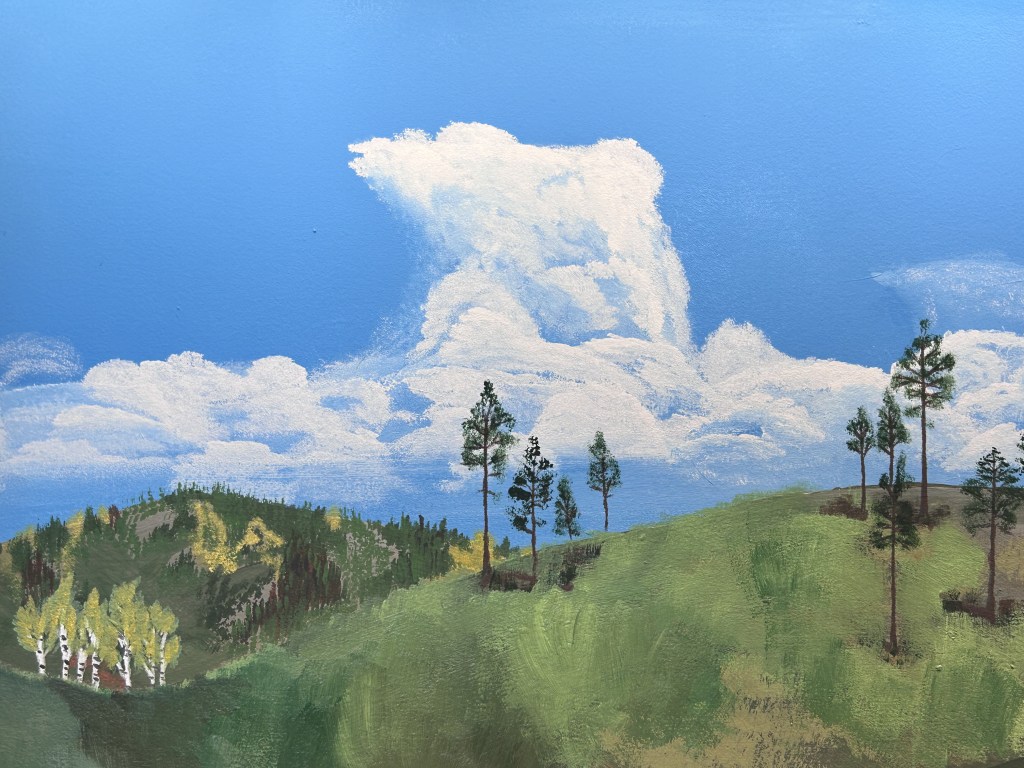
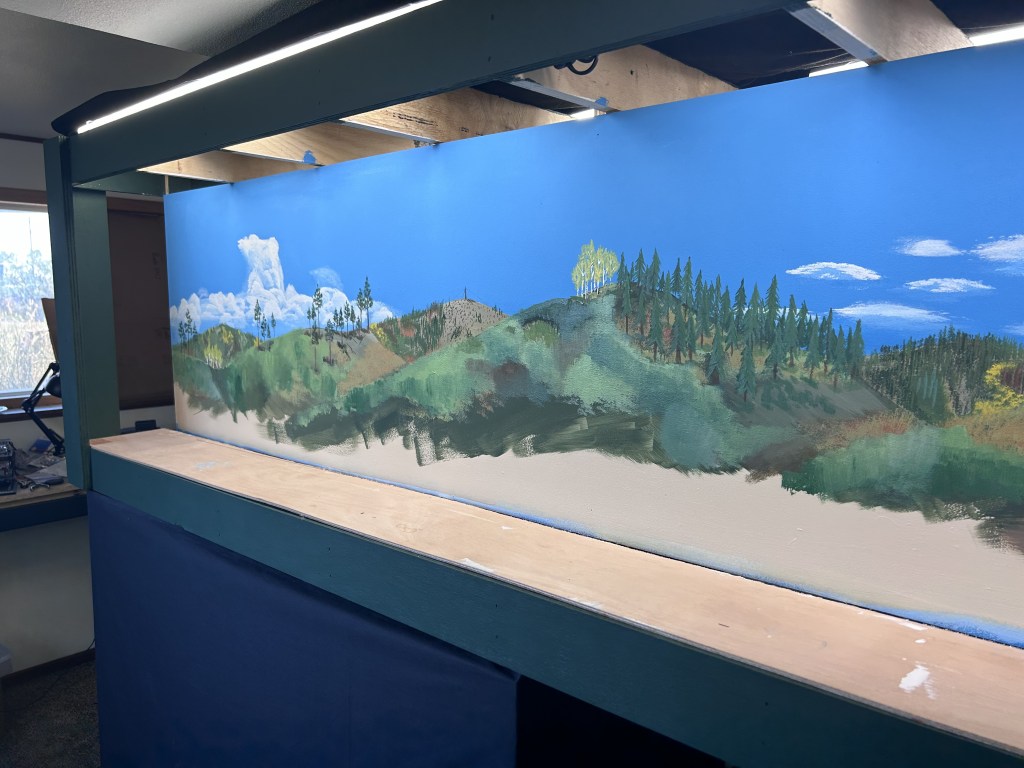
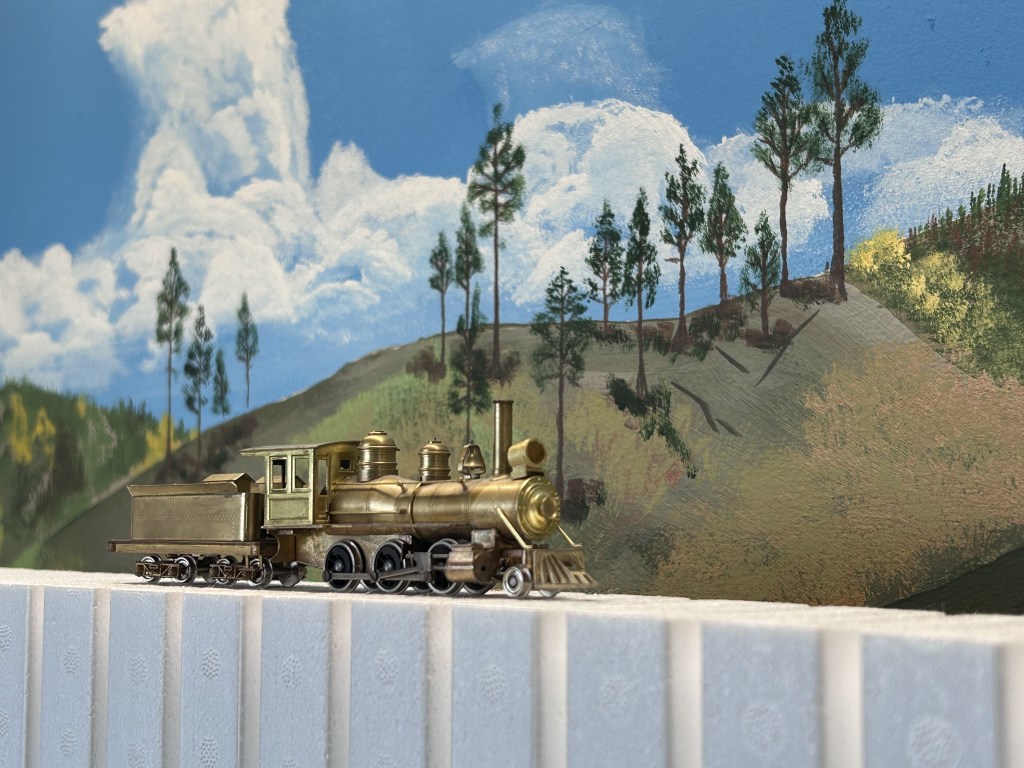
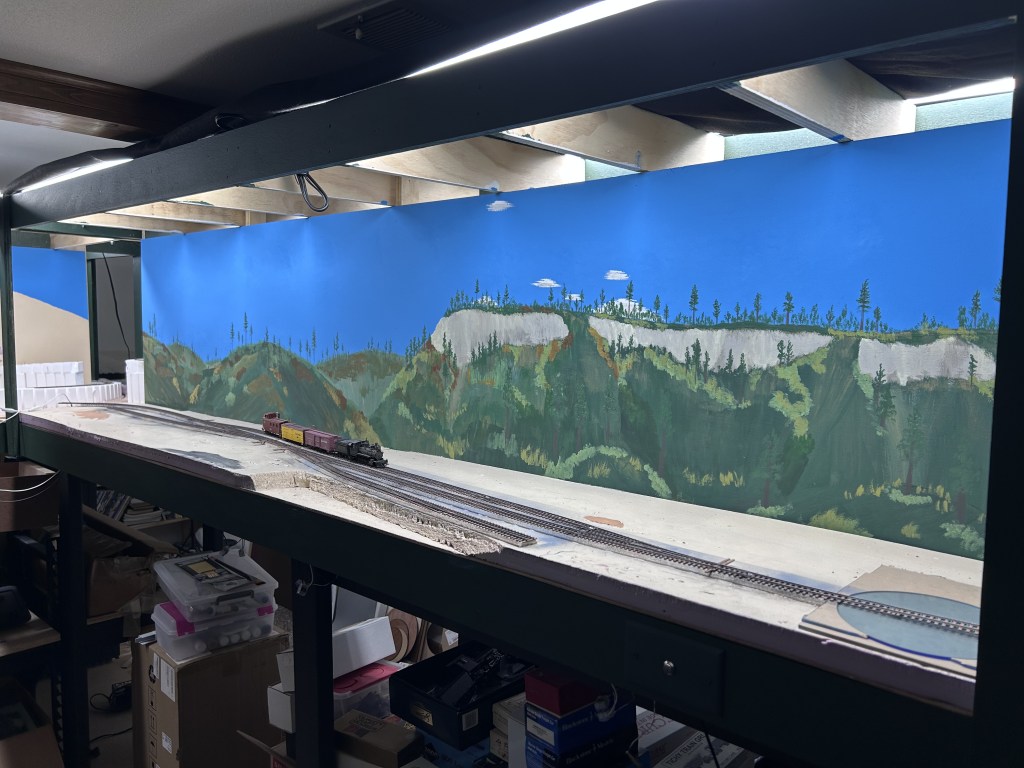
The layout will feature hand painted backdrops which use cheap acrylic paints. This is an example of what I have done so far on the layout, depicting a late summer or early autumn mountainside in the northern Black Hills where a log landing will be located.
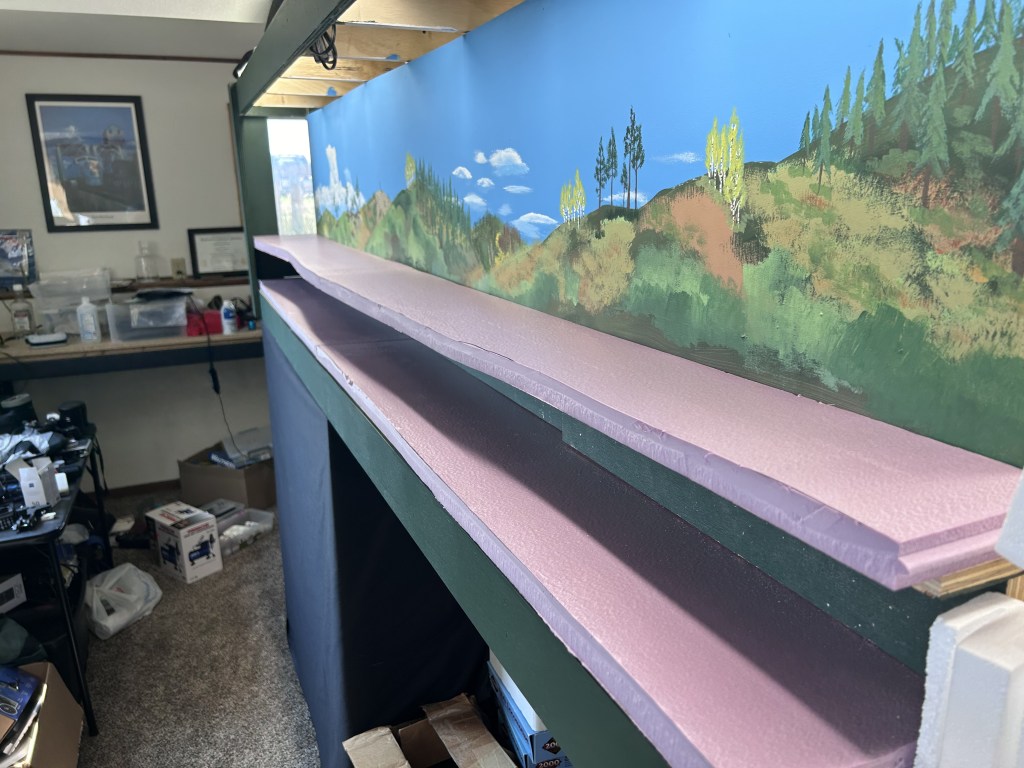
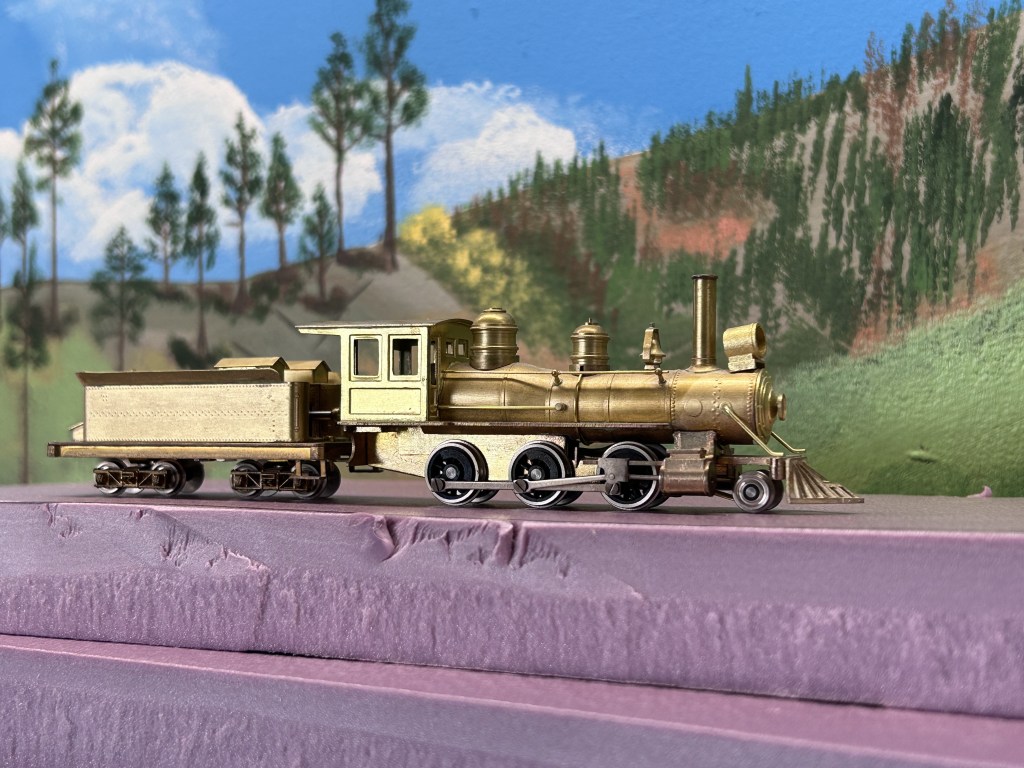
On this section there will be two levels. The top level is a log landing which will feature a couple of spurs and HO scale logging equipment. This is a convenient location for the log landing because directly underneath is where the staging yard will go. Underneath both the staging yard and the log landing are a couple of shelves which will store rolling stock and locomotives. This will make swapping out entire cuts of cars simple.
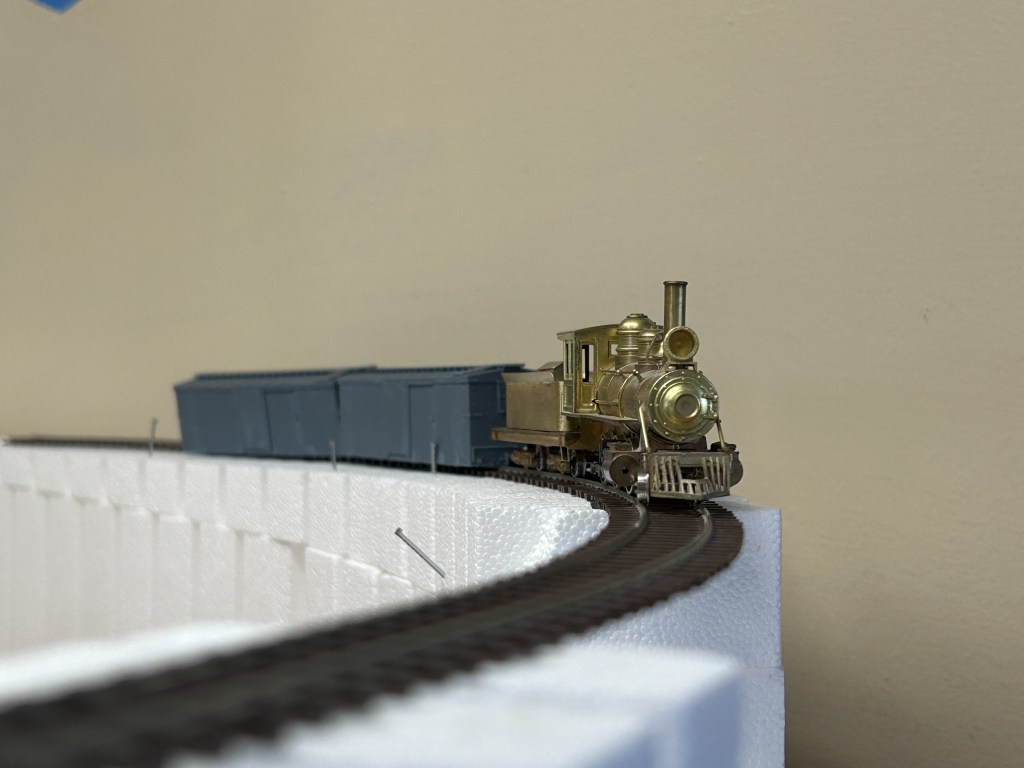
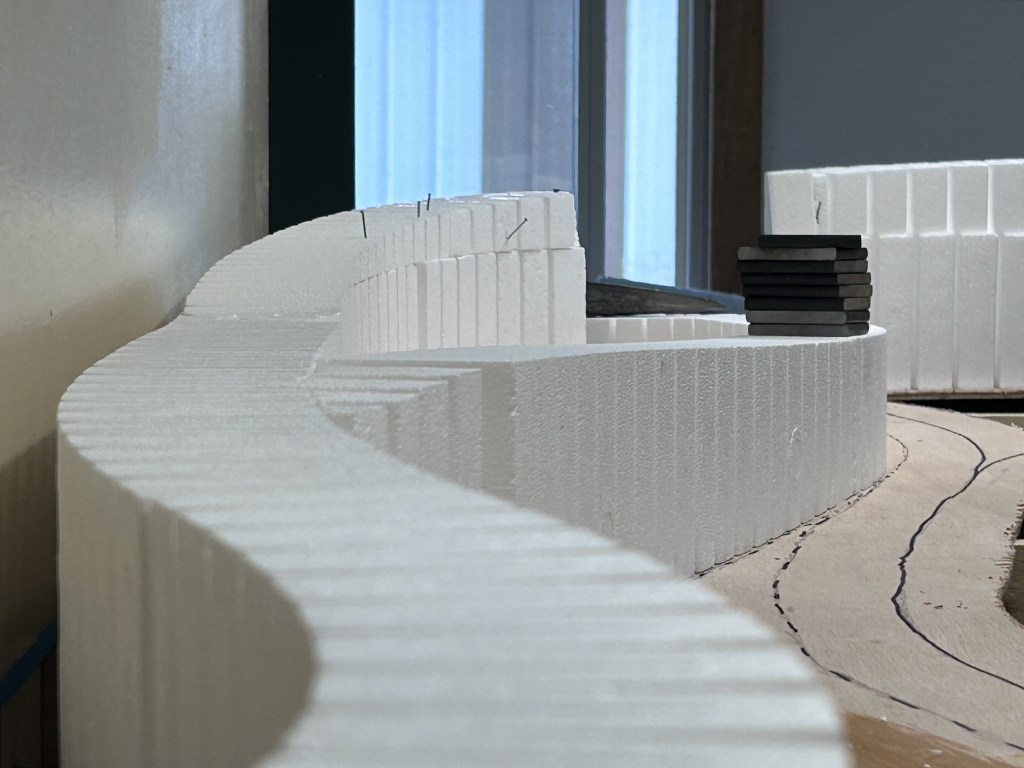
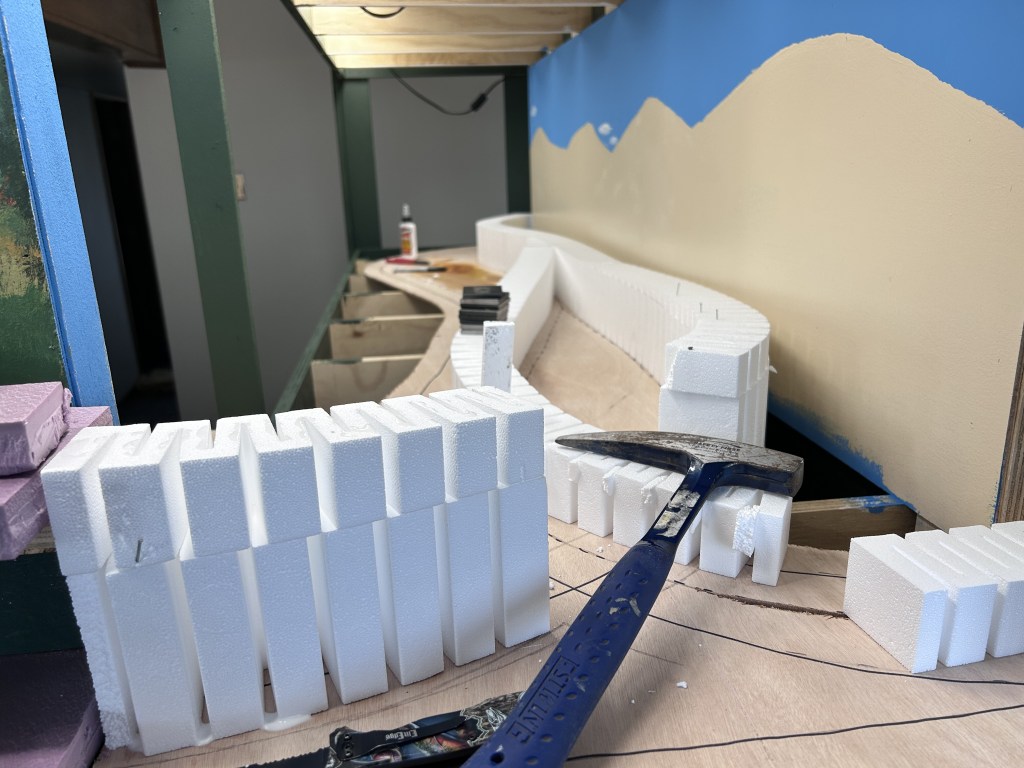
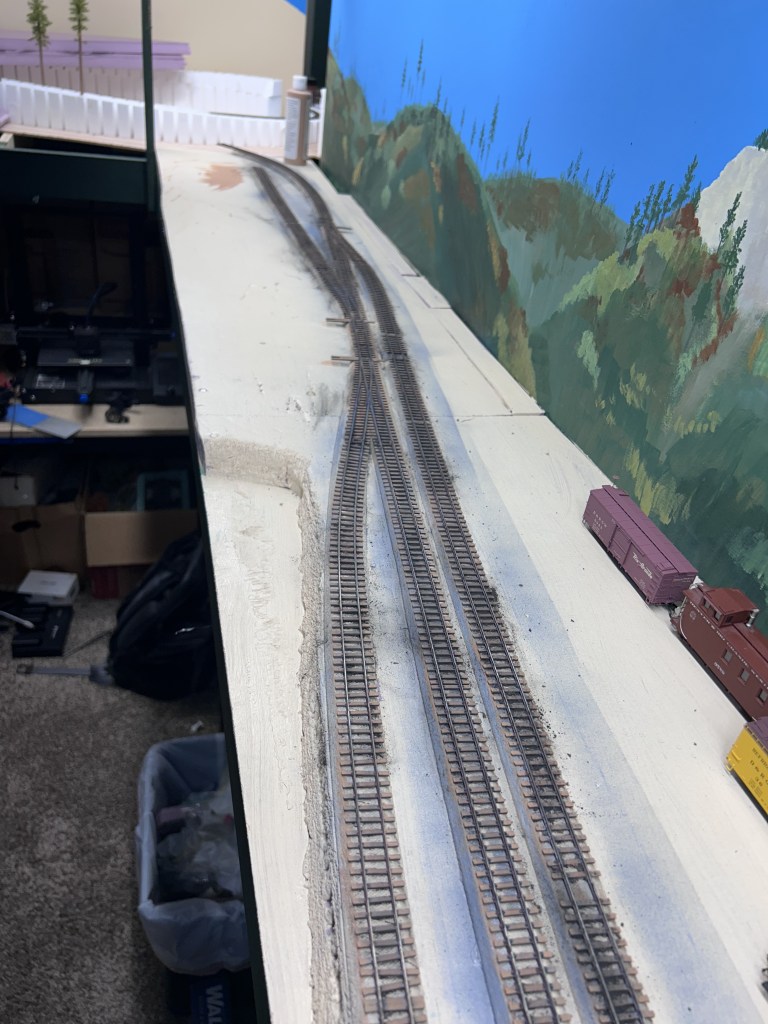
In order to get to the log landing, trains will have to rise about 5 inches in a small space. This requires the use of a switchback and a 4% grade. Yes, it is steep. It is also realistic for the Black Hills and Fort Pierre which regularly had grades surpassing 5%! In order to move trains up the hill, operators may need to “double” the hill. This is a technique where the train crew will drop half the train at the bottom of the hill and then haul what they can up to the next siding above the grade. Once the first half is over the hill, the crew will drop those cars and come back for the remainder of their train. It is a time consuming operation but also a regular spectacle on this little narrow gauge line.
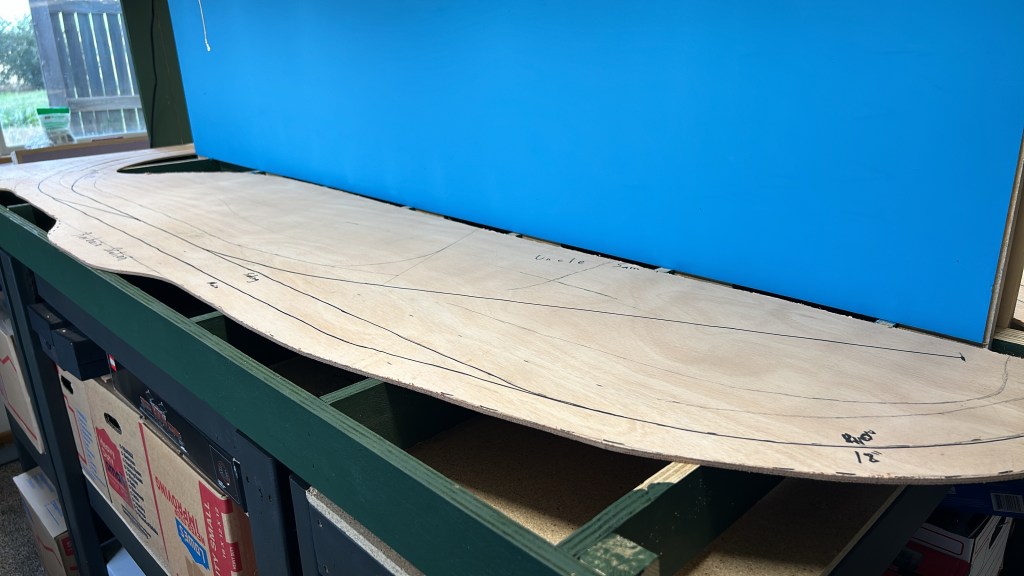
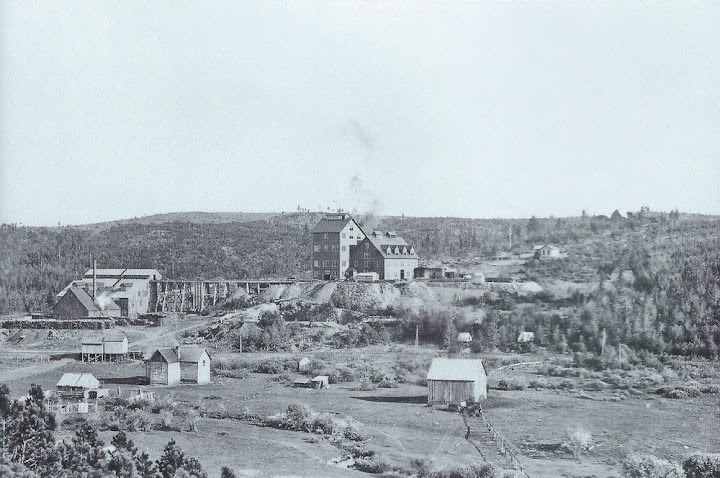
The switchback leads down into the town of Roubaix which is now just a collection of residences. However, in its prime the little town boasted the large “Uncle Sam” mine and mill complex. I don’t have enough space to effectively model the entirety of the facility, so instead I will be watering down and simplifying things. A single spur track will provide space to drop cars for the mine and for the homes in the area. A couple of farm houses and a station platform will be included here. Roubaix was not a junction in real life, but on a small layout like mine there must be compromises, so the actual junction which existed as well as the switchbacks that also existed are all going to come together right here.
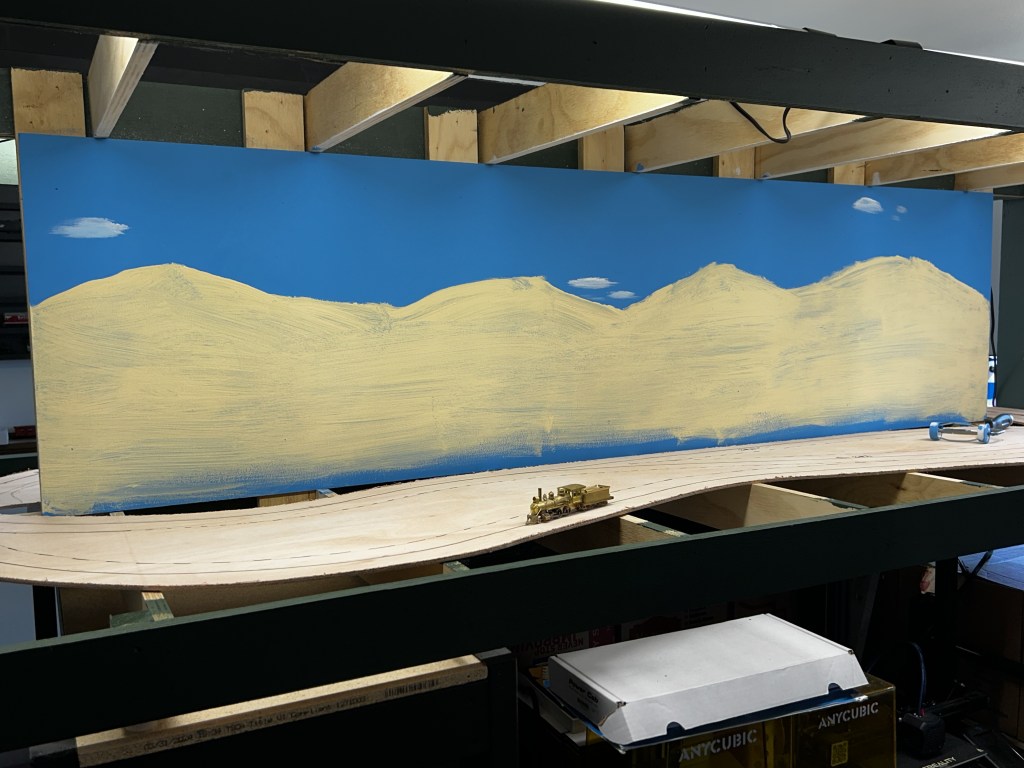
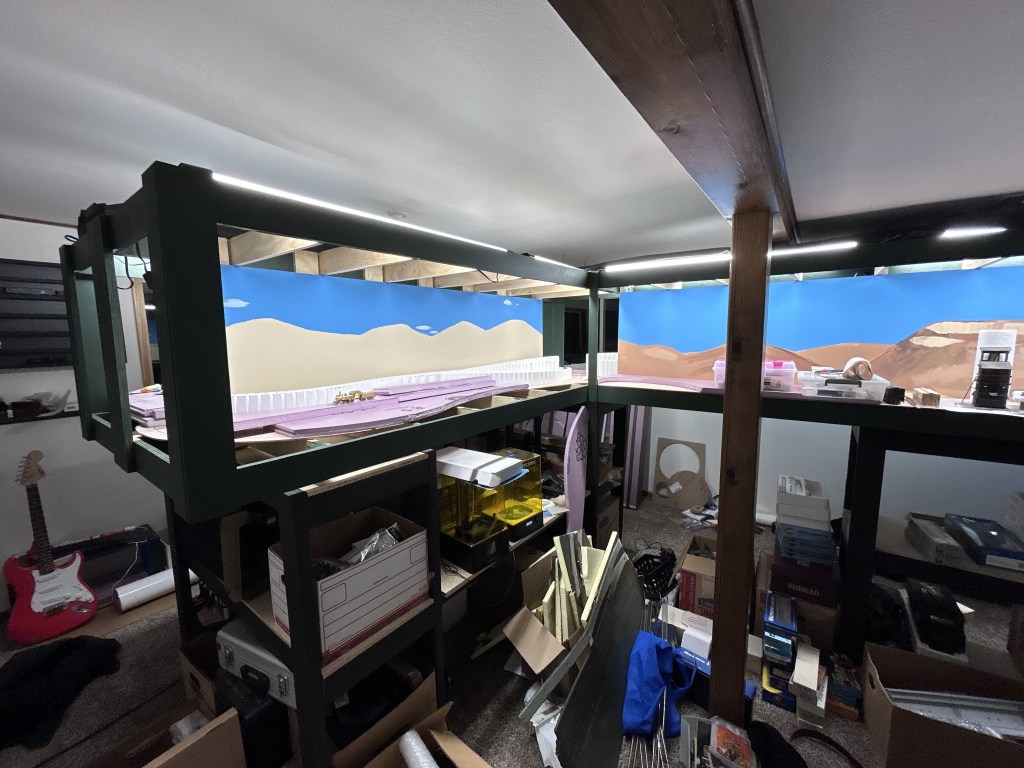
Past Roubaix, the tracks wrap around again to the switchback area which violates one of the cardinal rules in modern layout design, allowing a train to pass through a scene twice. This is one of those necessary compromises in order to make the track plan work. The good news is that there is one area of the actual BH&FP which had three tracks stacked on top of each other. The railroad had a pair of switchbacks facing each other in order to leave the top end of a mountain valley. While this one won’t replicate the scene 100%, the three tracks in the same scene will still look correct. The mainline then splits with a short branch going into the town of Nemo.
Nemo was originally a sawmill town and an important part of the Black Hills and Fort Pierre. This will be one of the signature scenes on the train layout and I’ve taken great pains to plan this out in a way that will be recognizable to locals. Two landmarks in particular will be included, the sawmill (with log pond) and the general store which took in everything from hardware and clothing to raw meat and produce. Miners and loggers in the area would travel to this store to get just about everything they could use. All of these materials were delivered by train. One other important structure will be the Nemo depot. I don’t yet have a photo of the depot, but it is described as being a converted boxcar propped up on a wooden foundation with a small platform attached to it.
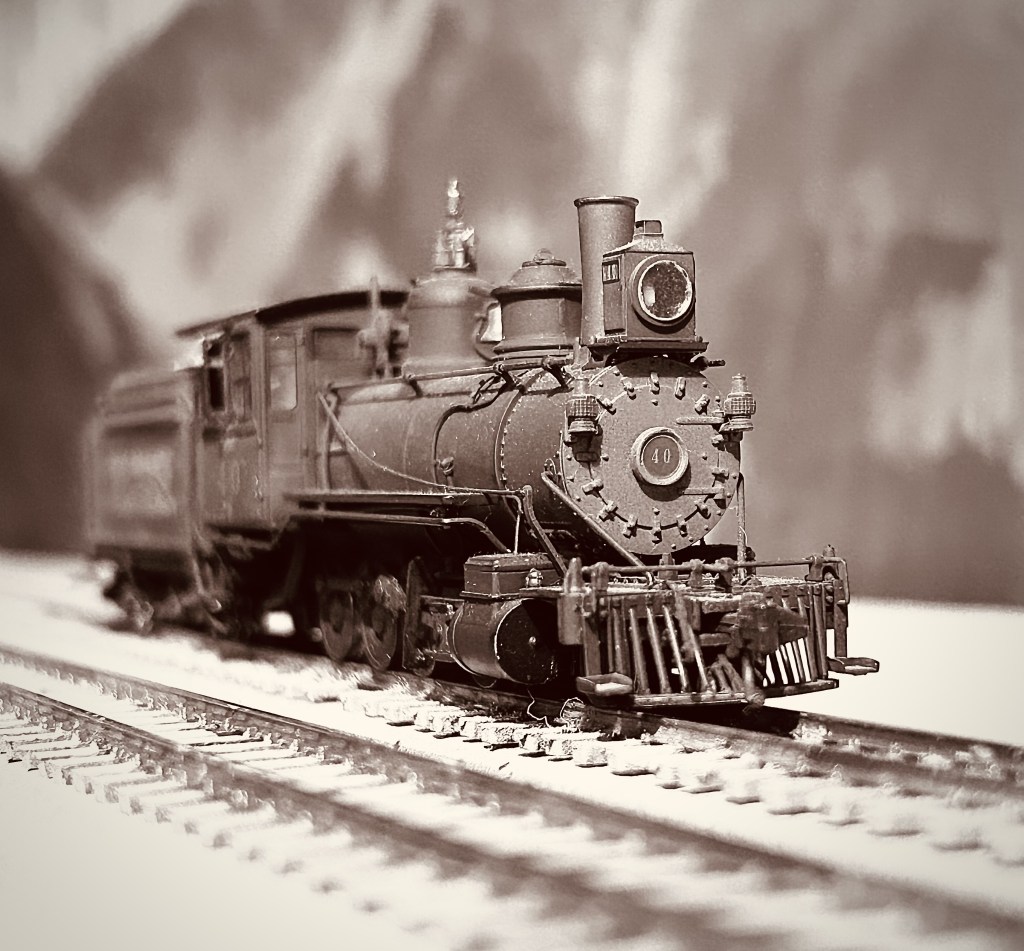
Lastly, one landmark is no longer with us but is culturally relevant to the area. One locomotive on the BH&FP roster was a copy of a C-16 2-8-0. It served the railroad well and lasted right up until the tracks were tore up in the 1930s, but it was always stored in Nemo where it spent its days collecting and distributing log cars between area sawmills and running trains out to the east end of the railroad at Piemont where it interchanged with the standard gauge Chicago and Northwestern. At the moment this Blackstone engine is a stand-in for that locomotive, but I have plans to kitbash a replica of #538 from photos using a brass C-16 in the future.
Anyway, that’s a tour of my layout for now! I am hoping to do another post like this in a few months or a year from now once track and trains are up and running. Until then, take care and please check out some of the other excellent content DMG’s authors have been publishing!
